
I swear, Florida is the land of invasive species. As if the green iguanas and Burmese pythons were not enough to wreak havoc, the Sunshine State now has another invasive species to contend with. They are now dealing with the Nile monitors, a massive 6-foot lizard from Africa. Now, Florida is doing everything it can to combat this new invasive species.
Florida Is Dealing With Its New Invasive Species
Getty Image
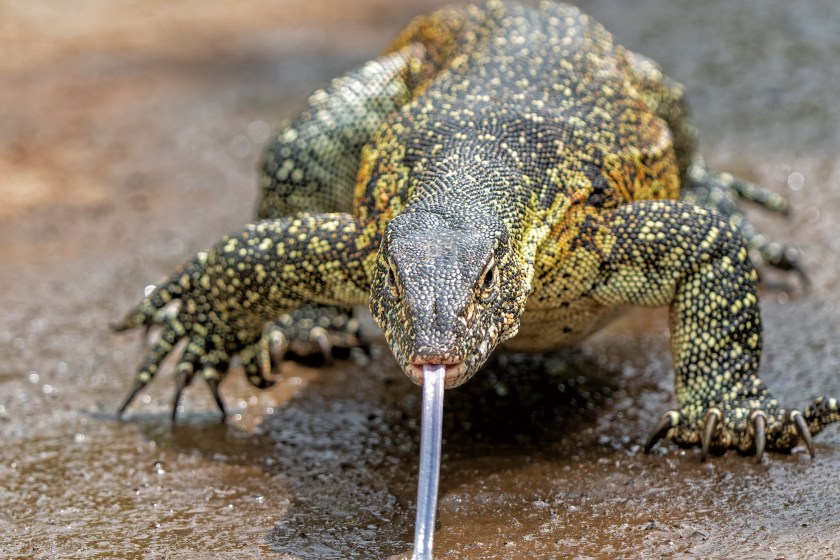
Outdoor Life shared the details surrounding Florida and its new invasive species. The Nile monitor is native to Africa but has decided to take up residence in certain areas of the Sunshine State as well. They have become so populous now that "they can now be killed year-round without a permit or hunting license." If you are having a difficult time imagining what a Nile monitor looks like, imagine a slightly smaller Komodo dragon. Mike Kimmel, known as the Python Cowboy, is well-versed in removing unwanted invasive species from Florida.
Now, he has his sights set on the Nile monitors as well. In a YouTube video, he can be seen explaining to viewers that the new lizard is " a predatory lizard and they don't mess around." He continued to explain to his viewers, "They're not dumb. They're more like a python mixed with an iguana. That's a good way to think of them."
What Is The Danger Of Having These Nile monitors?
So Florida has yet another invasive species. What's the big deal? The big deal is that invasive species often out-compete native species for food and resources. This is especially true with creatures that have a large appetite, like the Nile monitor. City of Cape Coral environmental biologist Harry Phillips spoke with Outdoor Life about this new invasive species via email. In that email, he explained that "Nile monitors have a strict carnivorous appetite." Then he elaborated that "Having a predator such as the Nile monitor in Florida is a detriment to native species, and a further threat to listed species such as gopher tortoises and burrowing owls.
The Nile monitor typically feasts on bugs, fish, frogs, young crocodiles, birds, and their eggs. However, they also enjoy small mammals. Additionally, they have been known to attack small pets and livestock, such as chickens