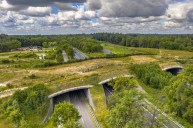

This is the kind of news that makes me smile. I am a huge advocate of protecting local wildlife, and I love helping people, too. It appears that Virginia has just taken a step towards doing both of these things with one action. With their new Wildlife Corridor Grant Fund receiving approval, this state is on its way to protecting both wildlife and drivers.
Virginia Takes A Step Towards Protecting Wildlife And Drivers
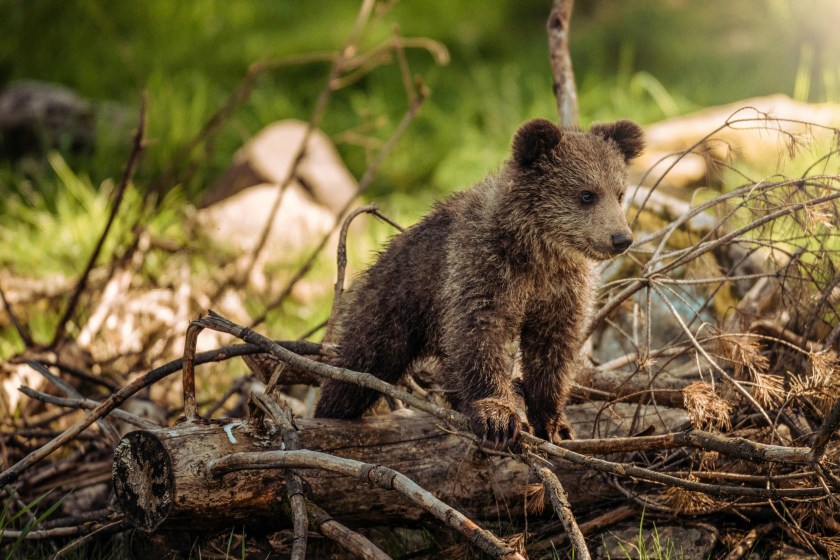
Pexels image by Janko Ferlic
Wildlands Network shared the good news. The outlet shared that "HB597, the Wildlife Corridor Grant Fund, has just passed both the Virginia House and Senate." Now, it is headed to the Governor's desk. With the bill achieving this level of approval, the state is in great shape to begin protecting wildlife and drivers.
Unfortunatley, a plethora of people get hurt in wildlife-vehicle collisions each year. Additionally, many animals suffer and die from these collisions as well. Virginia is no stranger to these collisions. The outlet shared that "Every year, Virginia sees around 60,000 wildlife-vehicle collisions." As if those numbers were not staggering enough on their own due to the sheer loss of life, it also costs the state money.
These wildlife-vehicle collisions cost the state "over $533 million" every year. Naturally, with such staggering numbers, it is no surprise that the state wants to take steps towards protecting wildlife and Virginia drivers. This wildlife crossing could be just the solution. In fact, experts estimate that "properly designed wildlife crossings can reduce these crashes by up to 96%."
How This Bill Will Work
Additionally, the outlet shared that this bill will allow Virginia residents to voluntarily contribute to the cause. Who wouldn't want to contribute to safer roads and protect wildlife? Furthermore, the outlet shares that the bill has the following aims.
- Reduce collisions and save lives by supporting crossing projects that keep people and wildlife safe.
- Protect communities and infrastructure by improving culverts, flood resilience, and road durability.
- Deliver long-term ecological and economic benefits by supporting healthier ecosystems, connected habitats, and safer roads.