This is a medical first. Alaskan officials are ringing the warning bells after a man developed an infection from a brown bear. This infection is very serious and was previously thought to only be transmitted by seals. Find out what the infection is, how this poor man got it, and what is being done about his healing and mitigating the spread.
Man Develops Infection From Brown Bear

Shutterstock / Chase D'animulls
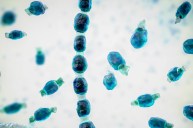
People Magazine shared the details behind this terrifying infection. The outlet shared that the infection was caused by Mycoplasma phocimorsus. Additionally, they shared, "Mycoplasma phocimorsus is a zoonotic pathogen, often transmitted from seals, that is resistant to common antibiotics and can cause joint damage."
Previously, officials believed that this infection was only transmitted by seals. Now, they have learned that it can spread via other animals as well. However, this is the "first documented case" of "seal finger" that is linked to brown bear exposure. The State of Alaska Epidemiology shared a bulletin on Thursday, Feb. 19, addressing the matter. In the bulletin, they share that this disease is typically spread by seals and results in an infection coined "seal finger."
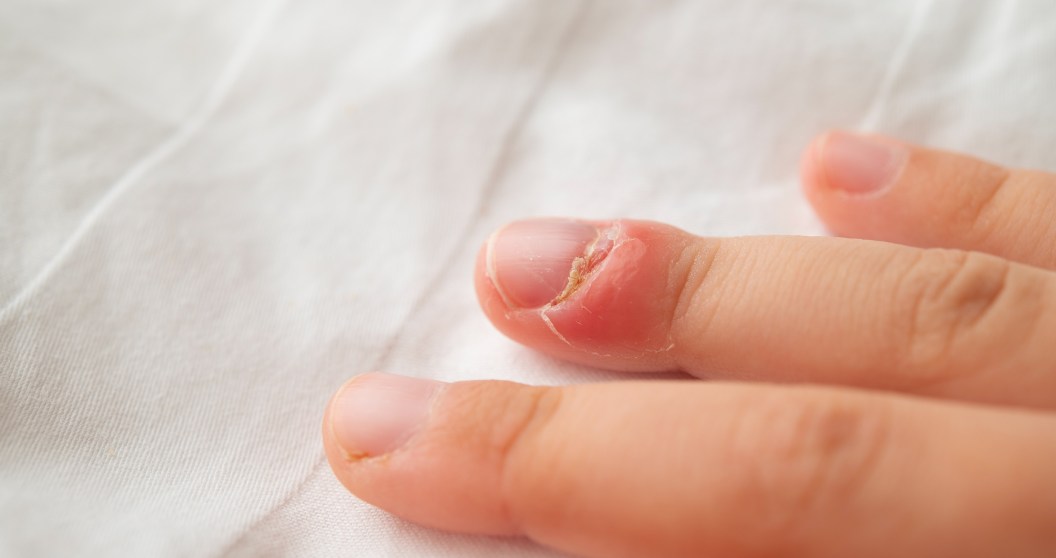
Those who suffer from "seal finger" have swelling and a loss of mobility in their fingers and hands. Also, they shared these terrifying facts about the pathogen. "The organism does not grow using standard microbiological methods and is resistant to many empiric antibiotics." Due to those factors, "Delayed diagnosis is common and can result in joint destruction, functional disability, and avoidable surgical treatment."
How He Is Healing
Afterward, the bulletin dove into the details about how this man acquired the infection from the brown bear. They shared that a healthy man in his late 20s appeared at an urgent care complaining of redness and painful swelling of his left fifth finger." These symptoms appeared 7 days after sustaining a laceration while skinning a brown bear that he had hunted. In addition to his lacertation, officials dicsovered that "his knife and hand contacted the bear's mouth prior to injury."
The man shared that he suffered 3 days of painful swelling of the joint. Initially, doctors treated him withoral trimethoprim-sulfamethoxazole and topical mupirocin, but were unsuccessful. His symptoms persisted, and by the fifth day, he had a fever and was hospitalized. After being hospitalized, "Empiric broad-spectrum intravenous antibiotics were initiated." Later on, surgical exploration revealed "necrotic extensor tendon disruption and septic arthritis"; things were getting serious.
Doctors raced to find the answers, but bacterial and fungal cultures were negative. Once his fever resolved, the man was discharged and given "a 21-day course of oral trimethoprim-sulfamethoxazole and amoxicillin-clavulanate." Since the doctors did not catch the infection caused by the brown bear, the infection persisted. After many more days, and the symptoms persisted, doctors decided to look again. Finally, "broad-range 16S rDNA sequencing of debrided tissue identified Mycoplasma phocimorsus."
Once the diagnosis was determined, the man completed a 6-week course of oral doxycycline. He has not relapsed since and no longer shows signs of symptoms or recurrent infection. It was a lucky catch by health officials. Now, they warn people to wear thick rubber gloves when handling animals, especially hunters. Also, if you are exposed to "seals, bears, or cats (particularly mouths, paws, or claws of non-seal predators)" you should consider being treated with doxycycline.