

Scientists are always making fascinating discoveries, some of which are right beneath our noses. Recently, beneath Mammoth Cave National Park in Kentucky, scientists discovered two extinct predators in the world's longest cave. These two fossils belonged to ancient sharks that lived 325 million years ago, during the Carboniferous period. With this discovery, scientists are now getting a look at the marine life that was alive and thriving during that time.
Scientists Discovered Two Extinct Predators In The World's Longest Cave
Getty Images
Mammoth Cave National Park in Kentucky is known for its impressive cave system. In fact, it is home to the world's longest cave system. The park offers unique opportunities for hiking, camping, and visiting historic sites. While it is loved by many, it may not be the first place you would expect to find marine fossils. Nevertheless, scientists recently discovered the fossils of two extinct predators within the world's longest cave.
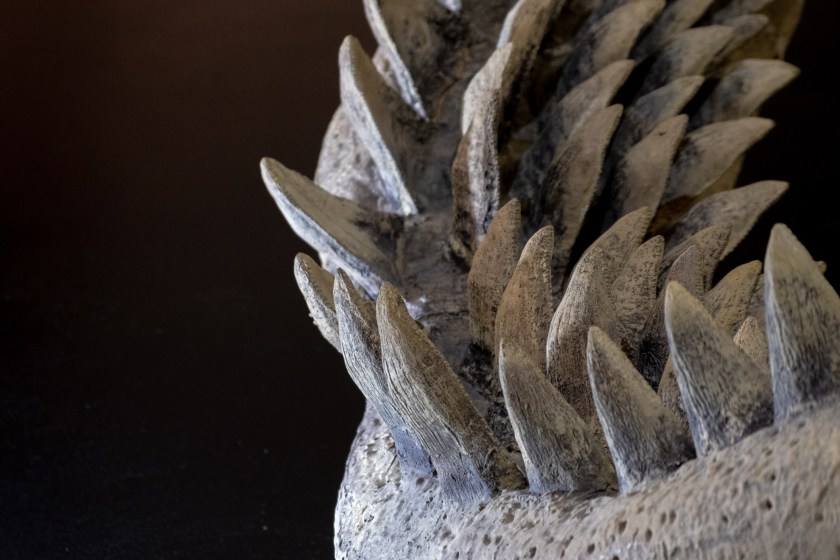
Although the park is now home to forests and caves, millions of years ago it was submerged by a tropical sea. That would be the perfect place for these massive sharks to survive. The two extinct predators are Troglocladodus trimblei and Glikmanius careforum. Sunshine Citrus shared details surrounding this fascinating find. The outlet shared that "these predators belonged to an extinct group of sharks known as ctenacanths, distant relatives of modern sharks." Additionally, the fossils show that these sharks had "specialized teeth and spined dorsal fins" to help them survive and thrive during their lifetime.
Fossils In Great Shape
Not only did the world's longest cave produce fossils of the two extinct predators, but it also produced high-quality fossils. While it was an exciting find due to the fossil's age, the quality of its preservation also excited scientists. The outlet shared that "Shark fossils are notoriously rare because sharks have cartilage-based skeletons, which are more prone to decay than bones of other animals." That is why teeth or other hard parts are typically all that scientists find.
However, the limestone in these caves helped to preserve the fossils. First, the fossils were encased in "fine lime-rich sediment after the ancient sea receded." Then, over time, the sediment hardened into limestone. That preserved not only the bones of these extinct predators but also "skin impressions and dermal denticles - microscopic tooth-like scales that once covered the sharks' bodies." This rare preservation allows the scientists who discovered them to study them fully. This should allow them to gain further insight into the lifestyle and habits of these incredible early ocean predators.