
When traveling for vacation, you expect all the wonderful things. Great food, welcoming hospitality, and quality rest and relaxation. However, with travel, there are always some risks or dangers. Oftentimes, if you eat food that doesn't agree with you, or spend too much time in the tropical sun, there can be some dangers. Yet, what of the hidden dangers? Not all threats are huge and easy to spot. Now, researchers are sharing this invisible threat that is hiding in plain sight at a popular tourist destination.
What Is This Invisible Threat?
Getty Image
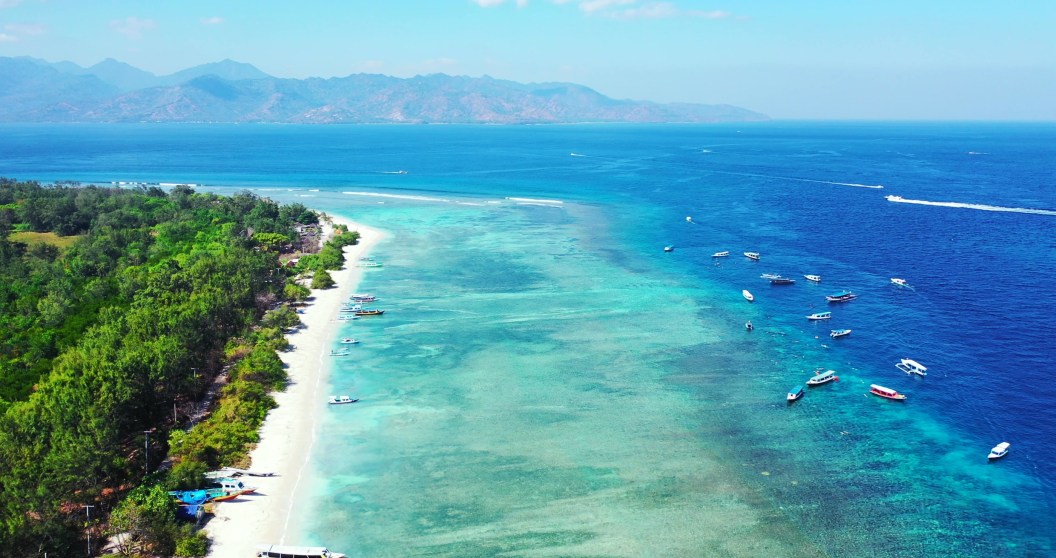
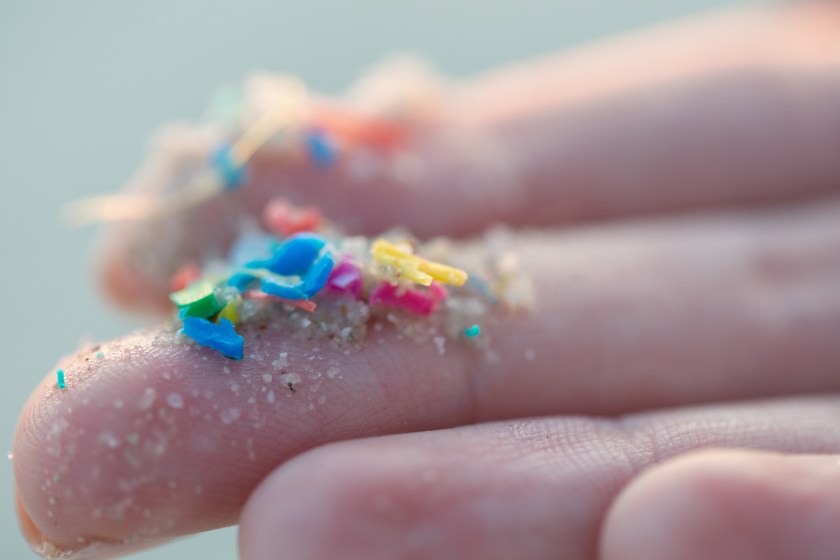
Gili Trawangan Island is the largest and most popular of Indonesia's three Gili Islands. It is a tropical destination, popular for its vibrant nightlife, beautiful beaches, and laid-back atmosphere. However, it would appear that it is home to more than just white-sand beaches. Gili Trawangan Island is also home to an invisible threat: microplastics. Yahoo shared some of the findings of a recent study that highlight just how high the concentration of these microplastics is in this popular tourist destination.
The study showed that microplastics, commonly found in coastal waters, had links to tourism. This invisible threat, when connected to tourism, is "primarily in coastal waters and recreational beaches." However, when these microplastics are found in seaports, it is "likely due to factors such as maritime traffic and port-related activities." It is those activities that "cause these particles to accumulate on the seafloor and enter the food web."
Why You Should Care About What's Happening At This Tourist Destination?
So there are microplastics at Gili Trawangan Island - why should you care about this invisible threat at this popular tourist destination? Not only are microplastics harmful to the environment, but they can also be harmful to your health. Stanford Medicine shared quotes from Desiree LaBeaud, an MD pediatric infectious diseases physician. She stated, "Plastic never goes away - it just breaks down into finer and finer particles."
That means that when microplastics enter your body, they are there to stay. But what do they do exactly? Unfortunately, "Studies in animals and human cells suggest microplastics exposure could be linked to cancer, heart attacks, reproductive problems, and a host of other harms." Additionally, the outlet shared that " Scientists have estimated that adults ingest the equivalent of one credit card per week in microplastics." That is a lot of plastic!
So you should be wary of this invisible threat, because it could increase your exposure to these harmful microplastics.