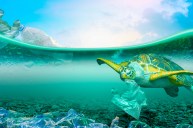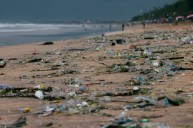

It is no secret that plastic is bad for our oceans. For years, many people have known about the many harmful effects it has on marine wildlife. From animals ingesting it to getting caught with it around their necks, conservationists have been making efforts to clean up our planet's oceans for years. However, the biggest cleanup effort has been focused on the Great Pacific Garbage Patch. Until recently, everyone was in favor of ridding the ocean of this giant patch of floating plastic. Now, it turns out that the Great Pacific Garbage Patch is home to dozens of species. This complicates the clean-up efforts.
The Great Pacific Garbage Patch Is Home To Dozens Of Species
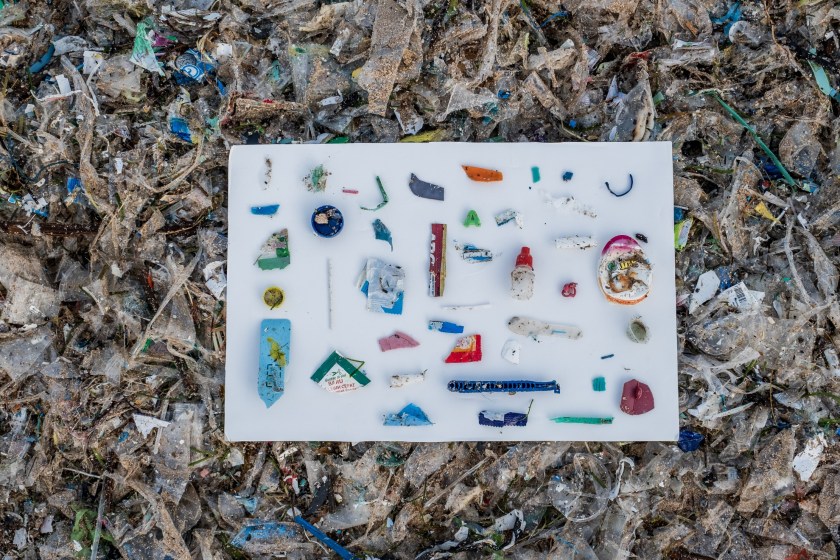
Getty Image
Earth.com shared details surrounding the Great Pacific Garbage Patch. First and foremost, it shared how it formed. The outlet shared that the North Pacific Subtropical Gyre is a huge rotating current system. This current system is responsible for allowing floating items in the ocean to get trapped in one place. Unfortunately, there is a ton of plastic and debris floating in our ocean, most of which gets stuck there. Thus, the Great Pacific Garbage Patch was born.
Currently, it holds "tens of thousands of tons of plastic pieces sturdy enough to move around the ocean for years at a time." Naturally, conservationists and scientists see the problem that this poses for our ecosystem. However, what they never anticipated was nature's resilience. When studying the Great Pacific Garbage Patch, scientists "picked out plastic items at least 6 inches long" to study them.
They ended up bringing "105 pieces of floating plastic, including bottles, buoys, crates, nets, ropes, and buckets, along with a 'wildcard' group of especially life-covered objects." The unexpected piece was that certain types of wildlife had called this giant patch of floating plastic home. The scientists found " a wide variety of creatures, such as barnacles, crabs, amphipods, bryozoans, hydroids, and sea anemones."
Altogether, the scientists identified "46 different kinds of invertebrates from six major animal groups" among the various pieces of plastic they collected.
What This Means For Clean-Up Efforts
Finding a plethora of life on the Great Pacific Garbage Patch complicates the clean-up efforts a bit. Naturally, many people still desire to remove plastic from the oceans. However, now there is some hesitation as they do not want to disrupt the lifeforms that have made a home there. It is particularly interesting that some of the species that should not be able to survive in the open ocean are now managing because of this artificial, plastic, floating shoreline.
Now, scientists are taking a pause as they determine the best way to deal with this new development. What used to be as simple as plastic bad, let's remove it, has now changed. Instead, they now face the dilemma of whether to remove the plastic, as they are also disrupting newly formed ecosystems.
Most experts still agree that the plastic needs to be removed; however, the methods of how to do it are still up for debate. One thing that is for certain is that the clean-up needs to be paced and intentional to cause as little damage as humanly possible.