The beaver population has been on a steady decline in the Bighorn National Forest. While the exact cause of their decline remains unclear, the effects of it are painfully clear. Now, in an attempt to mitigate any unwanted side effects from the loss of these animals and their dams, the national forest has come up with a solution. Wildlife officials have introduced artificial dams across the forest.
What Is Causing The Declining Beaver Population
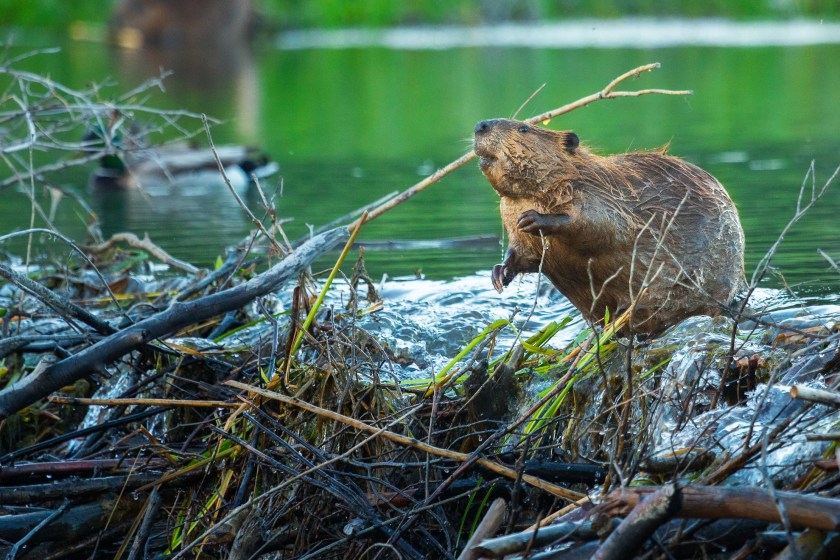
Getty image by Chase Dekker Wild-Life Images
It is always a sad day when we learn that the population of a species is being negatively affected. Typically, the only saving grace is that experts can pinpoint what is causing the decline so they can correct it. However, when it comes to the beaver population, their declining numbers remain a great mystery. Cowboy State Daily shares, "It is thought there could be fewer than half the beavers in the Bighorn National Forest now compared to about 15 years ago." Additionally, they shared statistics from a survey of the population. They shared, "Surveys in watersheds on the forest yielded a population estimate of 171 beavers in 2010, 113 in 2013, and 63 in 2021."
While there is no one clear cause for the declining beaver population, experts believe there could be several contributing factors. One such factor could be the encroachment of conifers into the riparian areas. Confiers, such as pine trees, compete for resources such as sunlight, water, and nutrients for more desirable vegetation such as willows or aspens. Also, things such as long-term drought or grazing by livestock could be affecting wildlife as well. Then there is always the risk of disease as well.
Why Bother With Artificial Dams?
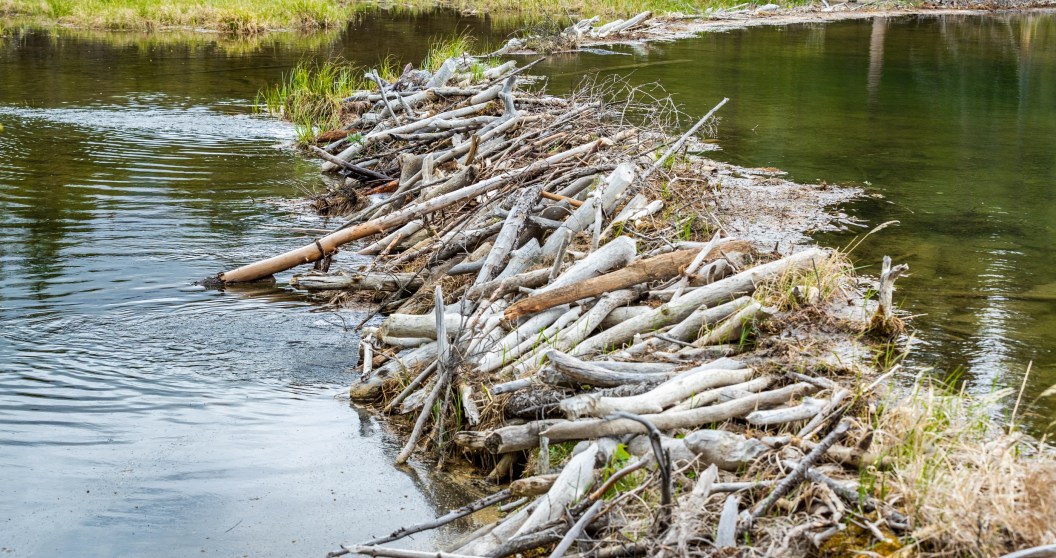
Besides being concerned for the beavers and their well-being, people were fearful of the lack of beavers for an entirely different reason. Fewer beavers means fewer dams, which is problematic. Bighorn National Forest Supervisor Andrew Johnson spoke with Cowboy State Daily about the importance of those dams. He shared, "Beaver dams in meadows have played a key role in slowing the water flow, allowing for the growth of willows and forage for wildlife and livestock." Rather than suffer the consequences, wildlife officials decided to act. They constructed more than 150 artificial dams.
Johnson claims that the efforts have proven "to be really simple and effective." Additionally, wildlife officials hope that the use of these artificial dams will entice beavers to return to the area, thus increasing their natural population.