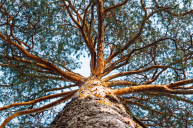

Wyoming's forests are suffering as the limber pine is being negatively affected at a rapid rate. Now, Wyoming's forests are dominated by "ghost forests". Researchers explain what that means and why people should be concerned.
Wyoming's Forests Are Now Dominated By 'Ghost Forests'
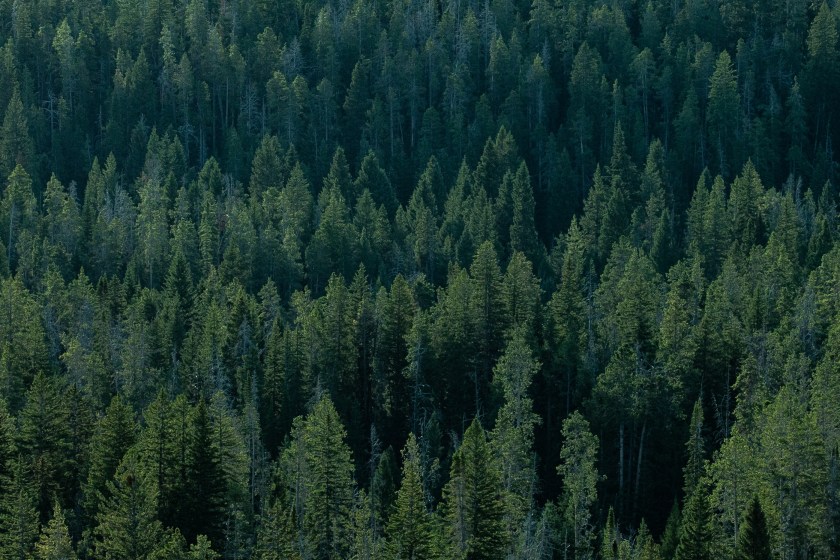
Getty Image
Cowboy State Daily shares that "25% to 35% of Wyoming's forests are now dominated by 'ghost forests' - standing dead timber." What is causing this destruction? According to researchers, the dead timber is a result of beetle epidemics and disease. They worry that the limber pine will follow in the whitebark into a crisis state.
Although these trees are considered hardy and often live 2,000 years or longer, the odds are not in their favor. At least 25% of the 10.8 million acres is now a "ghost forest." A ghost forest simply means "a landscape where standing dead timber dominates the view." It is not exactly a welcome sight. The outlet shares that a lot of the damage was caused by mountain pine beetles. Those pesky insects successfully chewed through "3.3 million acres in Wyoming by 2011."
However, it was the whitebark that was making headlines at the time, so not many knew about the dangers of the limber pine. Former professor in the botany department at the University of Wyoming, Dan Tinker, told Cowboy State Daily, "It seems to be the pine that gets ignored all the time."
What This News Means
Despite being a sore sight to behold, the destruction of these limber pines means bad news for people and the environment as well. Limber pine produces one of the largest seeds of any Wyoming conifer. The outlet highlights that the fact alone makes them "a critical food source for grizzly bears, black bears, Clark's nutcrackers, pine squirrels, chipmunks, and a long list of birds."
If the Wyoming forests continue to turn into "ghost forests," then these animals will lose their main food source and suffer. Therefore, the entire ecosystem will be disrupted. Diana Tomback, a professor at the University of Colorado Denver, spoke to Cowboy State Daily about the matter. "I think national forests are aware that limber pine is important and that it's being impacted," she shared. "But we have a ways to go to actually devise restoration strategies like with whitebark."