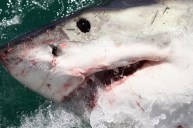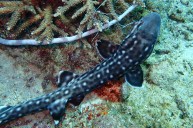

Apparently, nature is cueing up a 2026 sequel to Cocaine Bear. We now have cocaine sharks. And just like sequels to try to go bigger and bolder, the sharks are hopped up on caffeine as well as other substances.
New research shows sharks in the Bahamas are testing positive for contaminants. A study published in Environmental Pollution tested five species of sharks in the area. Scientists analyzed the blood from at least 85 of the animals near Eleuthera Island. Nearly a third tested positive for contaminants. These included cocaine, caffeine, acetaminophen, and diclofenac.
"This represents the first report concerning CECs and potentially associated physiological responses in sharks from the Bahamas, pointing to the urgent need to address marine pollution in ecosystems often perceived as pristine," the study's authors wrote.
Cocaine Sharks
It's truly concerning stuff. These chemicals can affect the physiology of the sharks and lead to hyperglycemia, renal impairment and diruptions in their metabolism. All not great things in case you're wondering. Lead researcher on the study Natascha Wosnick told Science News that pollution is to blame for the chemicals in the water.
We're talking raw sewage and people peeing in the water.
"We're talking about a very remote island in the Bahamas," Wosnick, a biologist with the Federal University of Paraná in Brazil, told the outlet. "It's mostly because people are going there, peeing in the water and dumping their sewage in the water."
It could have an effect on the area as well.
"A growing influx of tourists, coupled with an increase in the number of vacation homes and rental properties, significantly heightens the volume and chemical complexity of local wastewater," says the study. "Understanding how these contaminants affect shark physiology and long-term population health becomes paramount, not only to safeguard a key ecological component of coastal ecosystems, but also to preserve the social and economic benefits they provide."