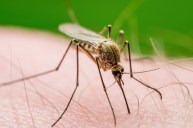

If you are planning on travelling soon, you may want to add some extra bug spray to your suitcase. The CDC recently issued a travel warning for multiple countries, all of which have a high risk for this potentially deadly disease. As with many terrifying diseases, this one is spread through mosquito bites. Pack your bug spray and follow these guidelines to reduce the risk of becoming one of the unfortunate souls who end up sick and with a brain bleed.
CDC Issues Travel Warning For 16 Countries

Anamarija Mrkic/Getty Images
The NY Post shared the news that the CDC recently instituted a level 1 global travel advisory in 16 countries. This issue came after the agency noticed a higher-than-expected number of cases of a potentially deadly disease: dengue fever. While level 1 is considered the lowest level of travel warning, it still urges all spring breakers and summer travelers to exercise caution when traveling.
Additionally, the CDC admitted that they have "identified a higher-than-expected number of dengue cases among U.S. travelers returning from" one or more of the following countries: Afghanistan, Bangladesh, Bolivia, Colombia, Cook Islands, Cuba, Guyana, Maldives, Mali, Mauritania, New Caledonia, Pakistan, Samoa, Sudan, Timor-Leste, and Vietnam.
Dengue fever is spread through mosquito bites, and the disease could take up to two weeks to cause illness. However, other people begin feeling symptoms right away. Traditionally, symptoms begin with common flu ailments. The afflicted person may suffer from a fever, headache, eye pain, nausea, vomiting, rash, muscle and joint pain, and minor bleeding. But what about the more severe cases?
Those unfortunate souls who contract a severe case of the disease are in for a much worse fate. The NY Post shares that severe cases of dengue can cause "hemorrhage (uncontrolled bleeding), blood in vomit or stool, dangerously low blood pressure, organ failure and even death."
What To Do About This Travel Warning And Terrifying Disease
So what should you do in light of these higher-than-expected numbers? Should you cancel your trip, well, not necessarily. Although the CDC wants travelers to be aware and exercise increased caution, there is no reason not to travel. There are, however, precautions you can take to lessen your chances of contracting this disease.
For those who are travelling to one of the 16 countries mentioned in the travel warning, the CDC suggests you take these precautions.
- Use an EPA-registered insect repellent
- Wear long-sleeved shirts and long pants when outdoors
- Sleep in air-conditioned rooms with window screens