A sailor is opening up about a solo trip around the Arctic Ocean and the real risk that he might die. Matt Rutherford has been sailing for years, but he is preparing for his biggest challenge yet.
The sailor previously sailed solo in a nonstop circumnavigation of North and South America. He says that lessons will help him in his upcoming challenge.
Sailor Confronts Arctic
"I've been to the Arctic. It's my eighth time in the Arctic," he explains. "I've been around ice a bunch of times and dealt with the cold, the fog, and whatever else. I've gotten pretty accustomed to dealing with that."
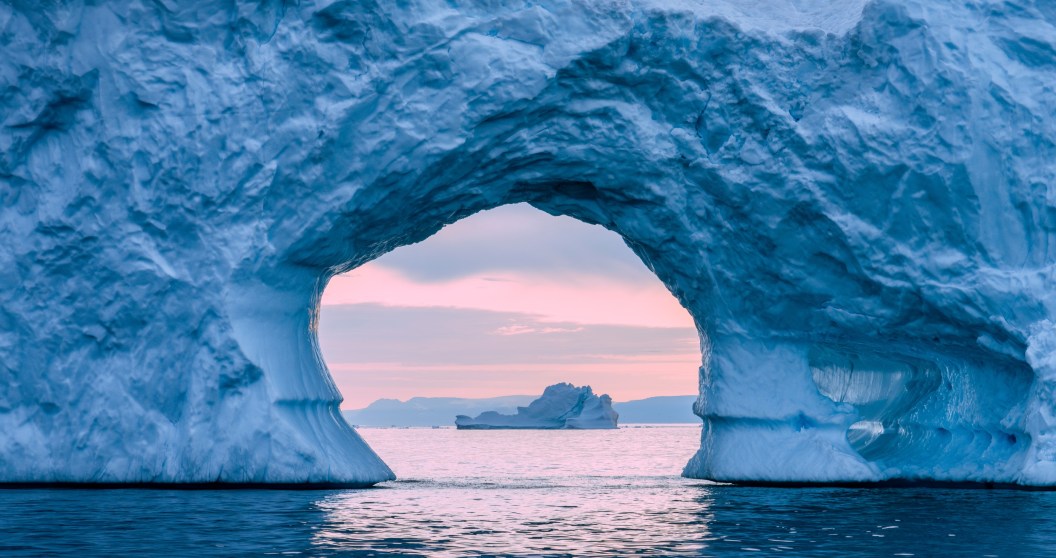
He said that "the Arctic can be really difficult, particularly with the ice."
"The ice situation, it's really sleep deprivation, is a big problem," he shares. "You can't sleep when you're alone and around a bunch of ice, because if you hit ice, you'll die. They're all death sentences. Depending on where I'm at, if there's ice around, I can only [rest] at, like, 20-minute intervals, which really sucks."
"I try to get sleep broken up in increments, whatever it is, throughout the night, so to speak," he adds. "I always try to make a cup of coffee whenever I basically just give up on trying to get rest."
The solo trip requires the sailor to face his fears of life and death.
"Some people probably fear being out here alone in the Arctic Ocean. That doesn't bother me," he shares. "You have to accept it personally; you have to accept where you're at, accept the fact you might die before you leave. So when you get into storms, you're not afraid. Because fear only creates problems. Fear becomes panic, and panic becomes injury or loss of life, loss of vessel, both."